The
Artist Collective
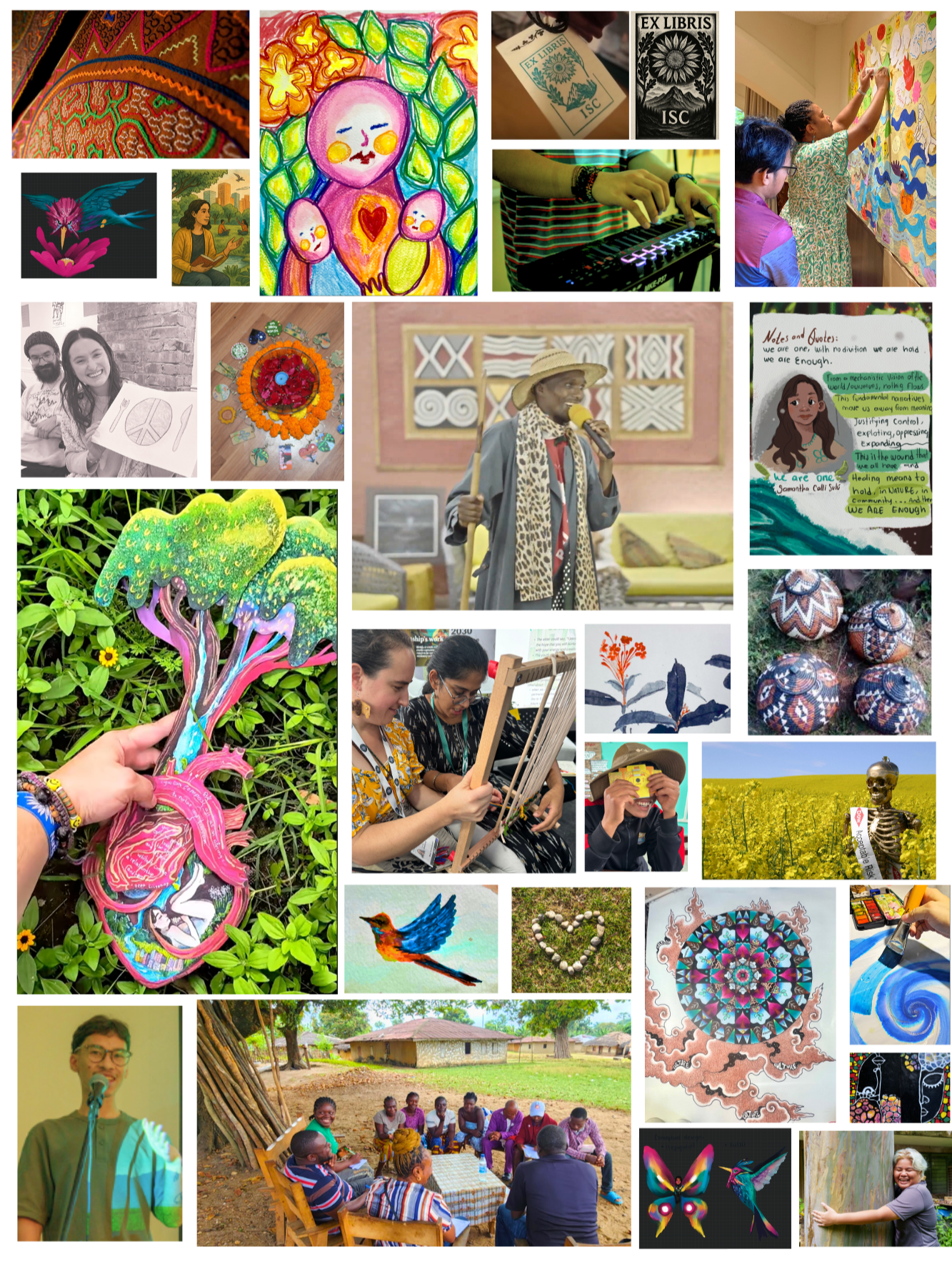
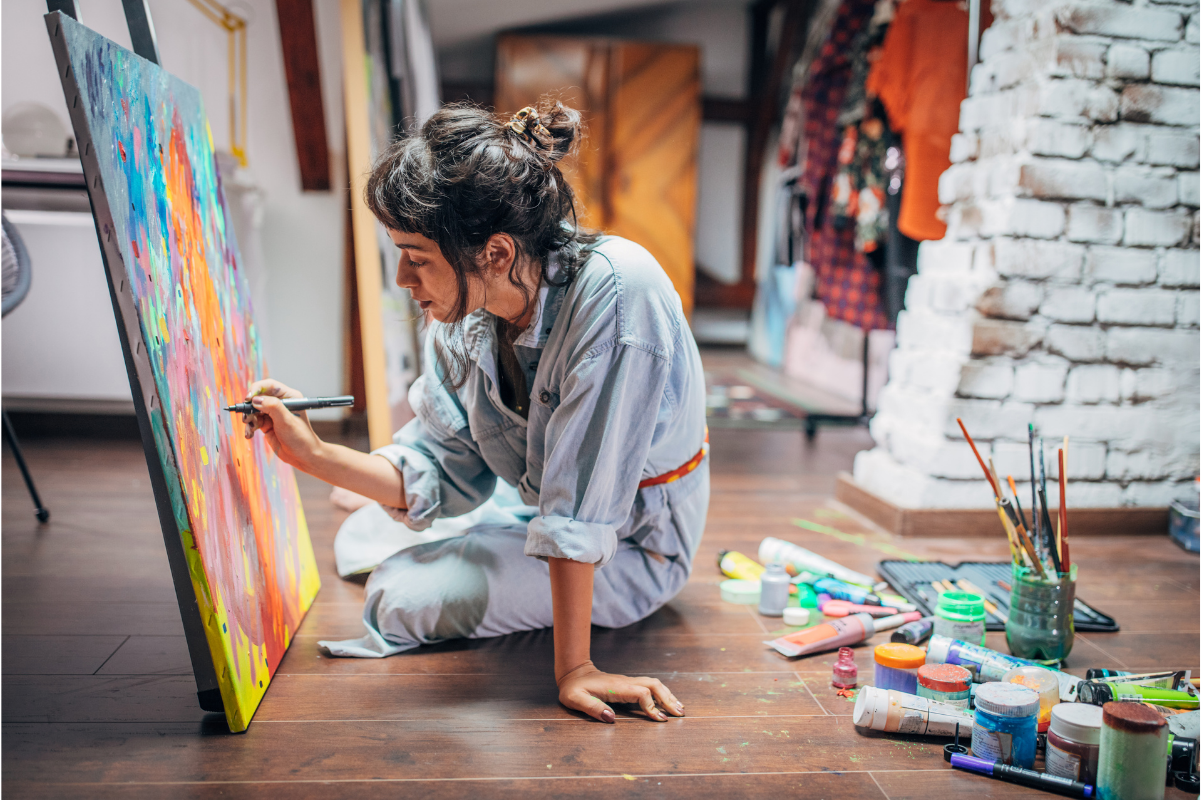
The Kinship Artist Collective supports artists whose work shifts cultural narratives and opens new possibilities for a more life-centered future.
Through place-based creative projects, the Collective explores how art can soften boundaries, deepen empathy, and cultivate a sense of care and belonging with the more-than-human world.
The Kinship Artist Collective
Art in Kinship Around the Globe
-
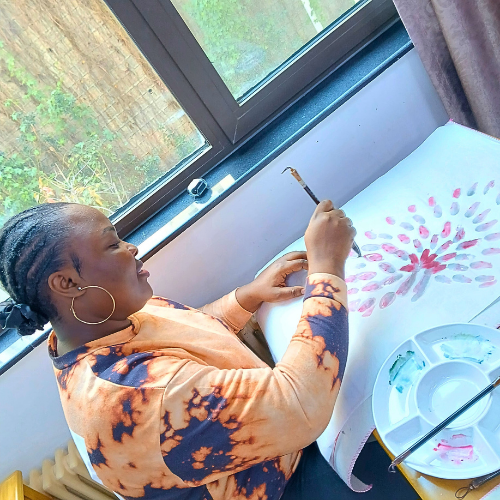
For the Namib & Kalahari deserts, flowers are not just a symbol, they're the identity and representation of the resilience and beauty of the land. The painting sessions were dedicated to the resilience of flowers, the fragility of nature and deserts and the Global calamities threatening survival in deserts. The blossoming plum flower symbolises not only culture, but perseverance, courage and the connectivity with us, our histories and nature.
Bertha Shifeta (Namibia)
-
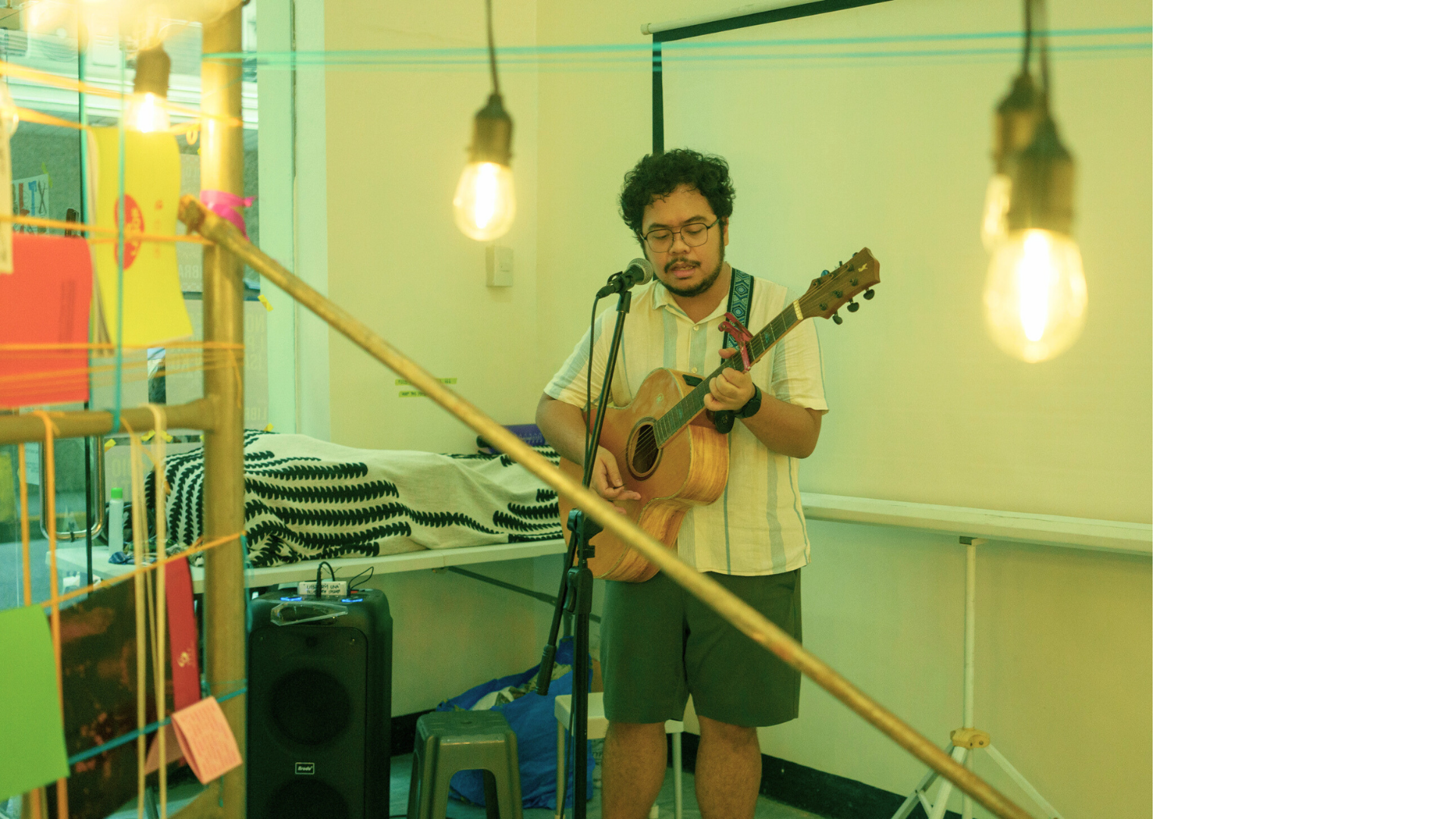
We offered community-centered events of art, music and storytelling. People connected around memories from fieldwork and creativity. Collective narratives arose as we honored local voices and lived experiences. It acted as both an archive and a living library where stories are created, remembered, and passed on.
Brikko Iyanev Dumas (Philippines)
-
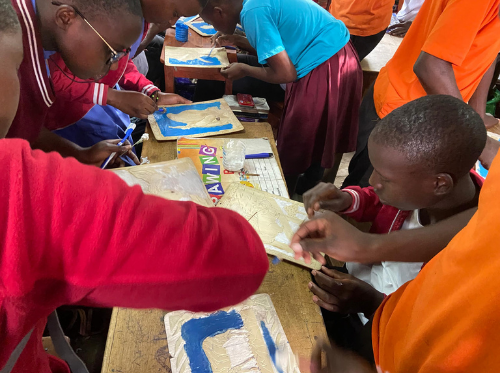
The plant drawings echo careful observation of herbs planted in our medicinal garden, helping students see plants not just as resources but as living relatives with form, texture, and stories. They listened to elders and the land, translated those stories into images, and in doing so, deepened intergenerational knowledge, environmental stewardship, and a sense of belonging to the web of life.
Derrick Bukenya Kato (Uganda)
In 2026-2027, Kinship will welcome artists into the Collective, offering micro-grants to support creative works that explore our shared belonging within the living world.
Artists will examine themes such as:
How cultures around the world live in deep relationship with nature
How ecological wisdom — including principles like biomimicry — can inform human systems
How stories, art, and imagination help shift collective consciousness
Through film, visual art, storytelling, and other creative forms, artists will highlight the modalities of kinship from their respective countries and cultures.
Culture Change for a Living Future
Are you an artist or interested in learning more about being a part of the Artist Collective?